 blog
Which Home Reading Curriculum Fits Your Preschooler?
Last Updated: October 31, 2026
Quick Summary
The best home reading curriculum for a preschooler builds listening, vocabulary, letter knowledge, and letter sounds through short, playful daily sessions. Free options like library story time, Starfall, and daily read-alouds can give you a real reading plan without spending money.
- Daily read-alouds, with your child choosing books and turning pages, build the foundation for reading.
- Keep phonics sessions to five to ten minutes and end while your child still wants more.
- Add one letter or sound per week, focusing on letters in your child's name or everyday life.
- Public library story times and early literacy kits are free, local, and social options.
- Try any program for two weeks before paying, and check that it teaches sounds and blending, not just letter names.
Table of Contents
- Do Preschoolers Really Need a Reading Curriculum?
- What a Preschool Reading Curriculum Should Actually Teach
- How to Teach a Preschooler to Read at Home, Step by Step
- Free Preschool Reading Curriculum Options Worth Trying
- How to Choose a Reading Program for Your Family
- Start Your Preschooler's Reading Journey This Week
- Frequently Asked Questions
Do Preschoolers Really Need a Reading Curriculum?
You don't need a stack of workbooks to raise a reader. Your preschooler learns to read through the warm, daily moments you already share: the bedtime story, the running commentary in the grocery store, the sign on the bus that you sound out together.
Many parents feel pressure to start drilling letters early. Most young children are better served by play, conversation, and plenty of read-alouds. A good preschool program supports that foundation rather than replacing it with flashcards.
What a Preschool Reading Curriculum Should Actually Teach
Before you pick any program, know what it should cover. For a preschooler, the goal isn't decoding full books. It's building the skills that make decoding possible later.
Ask yourself a simple question about any option: does it help my child hear, play with, and notice language? If you're weighing a paid choice, see whether phonics-based reading software is worth the cost.
Pre-Reading Skills for Preschoolers to Build First
Pre-reading skills come before reading itself. Your child needs to understand that print carries meaning, that books have a front and back, and that words are made of sounds.
Rhyming is a great example. Try saying "cat, hat, bat" during a bath or while getting dressed. Your child is building phonological awareness, the ear for sounds that later supports phonics.
Preschool Phonics Activities That Feel Like Play
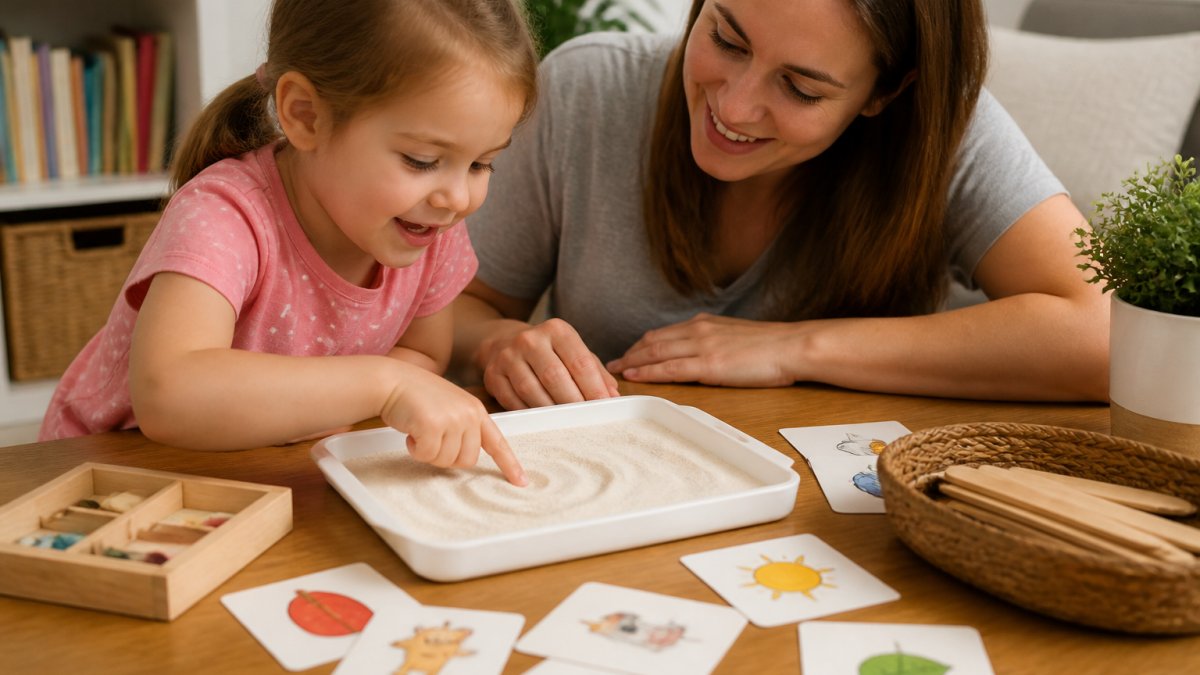
Phonics for preschoolers works best when it feels like a game. Try sound hunts around the house ("Let's find something that starts with /b/"). Sort toys by their first sound. Trace letters in sand, shaving cream, or a tray of salt.
Keep sessions short, around five to ten minutes, and end while your child still wants more. That's the rhythm that builds lasting interest.
How to Teach a Preschooler to Read at Home, Step by Step
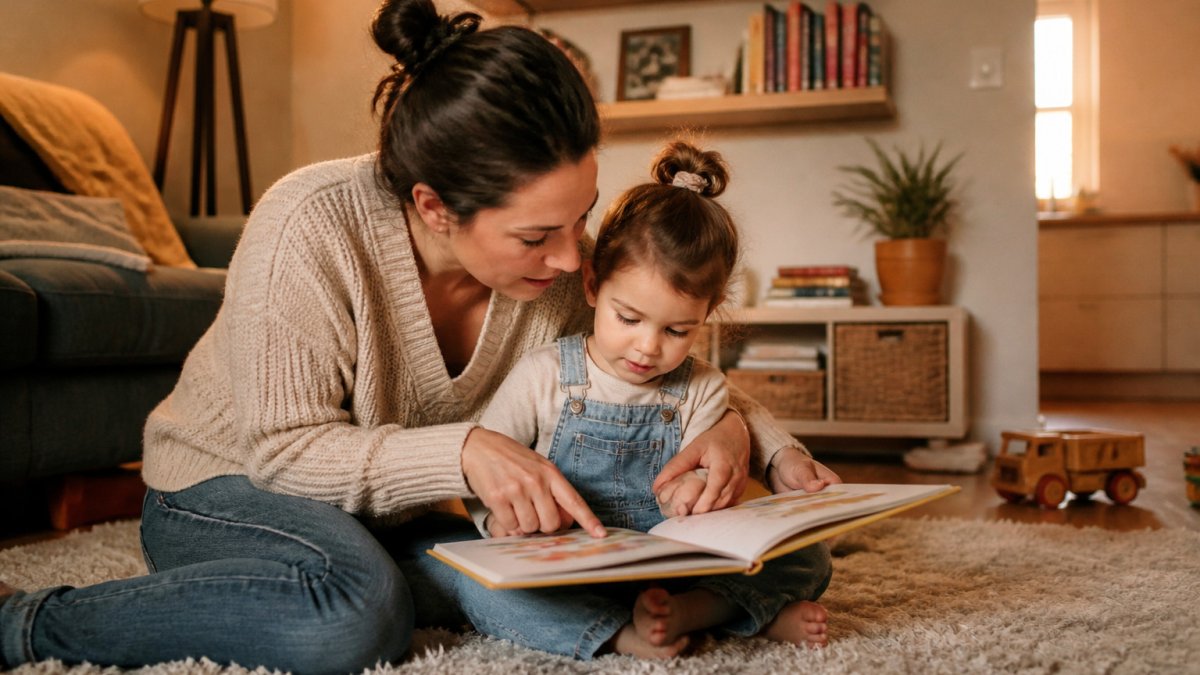
Start with read-alouds every day. Pick books your child chooses, and let them turn the pages.
Next, add one letter or sound per week. Focus on letters that appear in your child's name or everyday life, like the first letter of their name or the stop sign's S.
Finally, keep the routine small and steady. Ten minutes most days beats an hour once a month. You'll find ideas for building little and often reading routines that fit a busy schedule.
Free Preschool Reading Curriculum Options Worth Trying
You don't have to spend anything to give your preschooler a strong start. Some of the best free options are already in your neighborhood, and a few well-known free programs give you a real sequence to follow. Here's what's actually out there, plus how to judge whether a free option is worth your time.
Start With Your Public Library
Your library card is the most underrated reading curriculum you have. Most public libraries run free story times for preschoolers, often weekly, and many offer early literacy kits, take-home activity packs, and summer reading programs.
This is free, local, and built around the read-aloud and song-and-rhyme work that actually builds pre-reading skills. It also gets your child around other kids and other adults who read aloud, which matters more than most parents realize.
Free Structured Programs Worth Knowing
A few free programs give you an actual sequence instead of a pile of printables:
- Starfall: A screen-based site with letter sounds, phonics games, and simple stories. Plan to sit with your child while you use it.
- Reading Rockets: A public literacy resource with parent guides and articles on phonemic awareness and phonics. It's a reference shelf, not a daily curriculum, but it's excellent for understanding what to teach and why.
- Ready4K-style text programs: Some schools and nonprofits offer free text-message programs that send one short literacy activity a day. Ask your child's preschool or your local school district whether one is available.
- Library and museum printouts: Many library systems publish free letter-of-the-week and rhyme packs. Quality varies, so check that the activities involve hearing and saying sounds, not just tracing letters.
How to Judge a Free Option Before You Commit
Free resources are uneven. Run any option through these quick checks:
- Does it teach sounds, not just letter names? Letter names alone don't build reading. Look for activities where your child hears and says the sound a letter makes.
- Does it use real words and simple stories? A program that stays on isolated letters forever never gets your child to actual reading.
- Is it short enough for a preschooler? Five to ten minute chunks beat a 30-minute session your child will resist.
- Can you run it without training? If you need a manual to use a free printable, it's not really free.
If a free option fails two or three of these, it's fine to skip it. A library story time plus a daily read-aloud beats a free program that frustrates you both.
Where Free Options Fall Short
Free resources rarely give you a full sequence from letter sounds to blending to simple decodable text. That's the gap a paid program or a good book fills. Before you choose, it helps to compare workbooks and digital apps for reading instruction side by side.
Here is a quick side-by-side of the free options covered above, so you can see what each one offers at a glance.
| Option | Best for | Key difference |
|---|---|---|
| Public library story time | Daily read-aloud and song habits | Free, local, and social with other families |
| Starfall | Screen-based letter sounds and simple stories | Sit alongside your child while using it |
| Reading Rockets | Parent guides on phonemic awareness and phonics | A reference resource, not a daily curriculum |
| Text-message literacy programs | One short literacy activity a day | Ask your school or preschool if one is available |
| Library and museum printouts | Letter-of-the-week and rhyme activities | Check they involve saying sounds, not just tracing |
How to Choose a Reading Program for Your Family
Most program roundups rank options without telling you what to look for. That's backward. If you know the criteria first, you can judge any program, including ones that aren't on a list yet. Here's a preschool-specific way to compare, built around what actually predicts reading success and what actually fits a four-year-old's attention span.
Judge the Instruction, Not the Packaging
A cute workbook can teach very little. Look at what the program actually asks your child to do:
- Systematic phonics: Does it teach letter sounds in a planned order, then show how to blend them into words? Random letter-of-the-week themes without blending practice don't build decoding.
- Phonological awareness: Does it include rhyming, syllable clapping, and hearing the first sound in a word? These ear skills come before phonics and are easy to skip.
- Decodable text: Once your child knows a few sounds, does the program give simple words and stories built from those sounds? If the first "story" is full of words your child can't sound out, the sequence is off.
- Listening and vocabulary: Preschool reading is mostly about hearing rich language. A program that only drills letters misses half the job.
Compare on Preschool Realities
General homeschool rankings compare programs for older kids. For a preschooler, compare on these instead:
- Lesson length: Five to fifteen minutes is the sweet spot. If a daily lesson runs 30 minutes, ask whether you can split it.
- Adult prep time: Can you open it and go, or does it need printing, cutting, and laminating the night before? Be honest about your evenings.
- Screen time: Is it print, screen, or a mix? Screen-based programs work best when you sit alongside your child, not when the tablet babysits.
- Materials and cost: Check the provider's website for current pricing and what's included. A free tier you can try first is worth more than a discount on something you can't test.
Fit the Program to Your Child, Not the Other Way Around
Preschoolers vary wildly, and the right program bends to the child:
- Multilingual homes: Look for programs that welcome the home language rather than replace it. A strong home language supports English reading, not the reverse.
- Dyslexia risk or speech delays: If your child has trouble rhyming, struggles to hear sounds, or has a language delay, ask whether the program uses multisensory methods (seeing, saying, tracing, hearing at once). Talk with your child's teacher or pediatrician about any concerns; a program is not a diagnosis.
- Short attention spans: Shorter, play-based sessions win. If your child resists, the program is too long or too formal, not your child.
- Older preschoolers ready to blend: Some four- and five-year-olds are ready for simple blending. Others aren't, and that's normal. Readiness, not age, should set the pace.
A Simple Way to Test Before You Buy
Try any program for two weeks before committing to a paid tier. Pick one short session a day, keep it playful, and watch for two things: does your child come back willingly, and can you see one small skill building (a new sound, a rhyme they notice)? If yes, it's a fit.
For the research behind these criteria and a plain-language walk through readiness, phonics, and learning differences, chapter 6 of Literacy Roots covers early intervention and the signs worth watching, and chapter 2 explains why everyday talk is the foundation every program should build on.
Start Your Preschooler's Reading Journey This Week
Pick one habit to start today. Read one book together tonight and point to a few words as you go. Play one rhyming game in the car tomorrow. For practical tools to get going right away, browse these literacy tools for parents.
Your child doesn't need you to be a teacher. They need you to be present, curious, and warm. That's the foundation every reader stands on.
Frequently Asked Questions
What is the best reading curriculum for preschoolers at home?
The best choice depends on your child's interests, your schedule, and your budget, so there is no single winner. Look for a program that builds letter sounds, rhyme, and vocabulary through short, playful lessons, and that lets you switch activities when your child loses interest. Many families start with free library books and simple phonics games, then add a structured program if they want more guidance. Pricing depends on the product you choose, so check the website for current details.
Do preschoolers need a formal reading curriculum?
Not necessarily. Preschoolers learn a lot from everyday talk, read-alouds, rhyming games, and noticing letters on cereal boxes and street signs. A formal curriculum can add structure if you want a clear plan, but it is not required. Consistency and joy matter more than any particular program, and a few minutes of daily reading together counts.
How do I choose a reading program for a preschooler?
Start with your child's age, current skills, and attention span, then look for lessons that are short and hands-on. Check whether the program teaches phonemic awareness and letter sounds, whether it includes read-alouds, and whether you can use it easily during a busy week. Compare free and paid options, and test a sample lesson before you commit. If a program makes your child or you feel stressed, it is fine to try something else.
How long should preschool reading lessons be?
Short and frequent works best for most preschoolers. Ten to fifteen minutes of focused letter or sound play, plus a few minutes of shared reading, is plenty for many young children. Follow your child's cues and stop before they get frustrated. Little moments throughout the day, like pointing out letters on a grocery list, add up too.