 How-to
Phonics Resources for Reluctant Readers: A Parent's Guide
Last Updated: October 29, 2026
Quick Summary
The best phonics resources for reluctant readers lower the stakes: short sessions, play first, and no audience pressure. Free games like letter-sound hopscotch, sound fishing, and build-a-word blocks turn practice into play. Pair them with decodable books that match your child's shaky skill, not their grade.
- Keep practice low-pressure with short sessions, play first, and no audience pressure.
- Try free games like letter-sound hopscotch, sound fishing, and build-a-word blocks.
- Name the shaky skill, not the grade, before you shop for decodable books.
- Let your child pick from a short stack of books you've already checked.
- Keep a two-minute log of sounds nailed, words sounded out, and how the session ended.
Table of Contents
- Why Some Kids Shut Down (and What Actually Helps)
- Phonics Activities for Reluctant Readers That Feel Like Play
- Phonics Games for Kids Who Would Rather Do Anything Else
- Choosing Decodable Books for Reluctant Readers
- Short Reading Activities for Kids With Short Attention Spans
- How to Know It's Working (and When to Change Course)
- Build Your First Low-Pressure Phonics Kit
- Frequently Asked Questions
Why Some Kids Shut Down (and What Actually Helps)
Your kid slides off the chair the second the flashcards come out. Sound familiar? You're not doing anything wrong, and your child isn't broken. Some kids push back against reading practice because it feels like a test, and tests feel bad when you're not sure you'll pass.
A child may freeze when reading becomes a performance, so keeping practice low-pressure can help. In Literacy Roots, Lauren Daugherty points out that access, not ability, is what shapes most readers, and part of access is making practice feel safe.
Phonics resources for reluctant readers work best when they lower the stakes. That means short sessions, play first, and no audience pressure. Chapter 6 of Literacy Roots references Dr. Sally Shaywitz's work on early intervention.
One more thing. A child who avoids reading may be struggling with rhyming, sound blending, or reversals past age 7. Those are reasons to talk with a teacher or pediatrician, not labels. Keep the tone light and the door open.
If your child is neurodivergent or has learning differences, the resistance often runs deeper. How to help neurodivergent kids enjoy reading walks through strategies built for exactly that.
Phonics Activities for Reluctant Readers That Feel Like Play
Play is the on-ramp. When phonics shows up as a game, kids can play while practicing. Keep each round short and let your child "win" often.
Start With Sounds, Not Worksheets
Say a word slowly: "sss-uuu-nnn." Ask your child to squash it back together: "sun." That's sound blending, and it's the heart of phonics. No pencil required.
Try these tonight:
- I Spy with sounds: "I spy something that starts with /mmm/."
- Sound hunt: Find three things in the kitchen with the same first sound.
- Rhyme ping-pong: You say "cat," they say "hat." Keep going until someone gets stuck.
Rhyming and phonemic awareness are ways to notice sounds in words.
Phonics Games for Kids Who Would Rather Do Anything Else
Here are free game ideas that need nothing but you.
- Letter-sound hopscotch. Tape letters to the floor. Call a sound, and your child hops to the letter.
- Sound fishing. Write letters on paper fish, add a paper clip, and "fish" with a magnet wand. Say the sound when you catch one.
- Build-a-word blocks. Write single letters on blocks. Roll three and blend whatever lands.
- Silly sound swaps. Change one sound in a word: "bat" becomes "cat" becomes "hat." Laugh at the nonsense words.
- Treasure hunt cards. Hide cards with short words around the room. Each one read earns a clue.
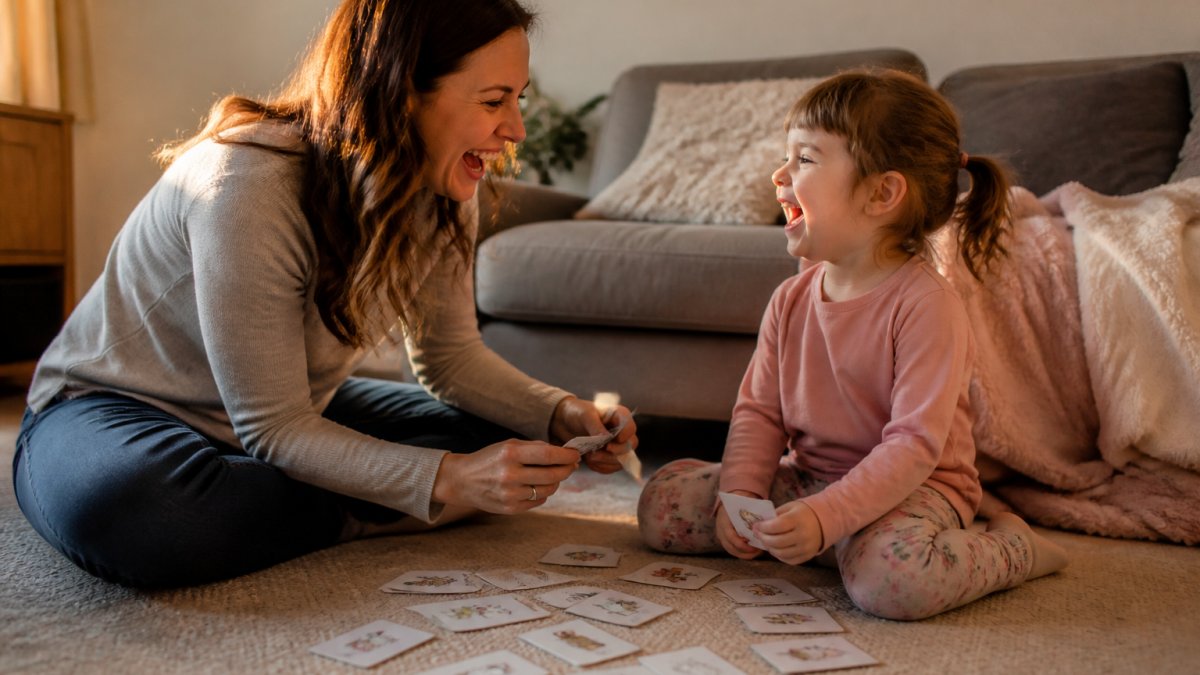
Want a bigger stack of ready-to-play ideas? Grab 9 phonics games to play at home tonight and pick one before bedtime.
Choosing Decodable Books for Reluctant Readers
The Reading Rockets guide to phonics and decoding explains why this matters: kids build word recognition faster when text lines up with what they've practiced. Skip books that rely on guessing from pictures.
Step 1: Name the Skill, Not the Grade
Before you shop, sit with your child and listen. Which of these feels shaky?
- Hearing sounds in words (rhyming, first sounds, blending spoken sounds)
- Short vowels and simple blends (cat, sun, stop)
- Long vowels and silent e (cake, bike, home)
- Consonant teams and vowel pairs (ship, rain, boat)
- Two-syllable words (rabbit, sunset)
Step 2: Run the Five-Finger Sound Check
There's no shame in choosing easier books.
Step 3: Judge the Book Itself
When looking through a book, you can check:
- Does it follow a sound sequence? Good series tell you which sounds each book covers, usually on the back cover or inside flap.
- Are the pictures doing the reading? If a child can guess every word from the art, the text isn't doing its job.
- Is there a story? Decodable doesn't have to mean dull. A funny plot keeps a reluctant reader turning pages.
- How many words per page? Short lines and white space lower the intimidation factor for a kid who already avoids reading.
Step 4: Let Your Child Pick From a Short Stack
Let your child choose from a few books. You can offer options you think may suit them.
For a step-by-step way to sort through options, see how to choose decodable books for beginners.
Here's the short version of what to look for when you're sorting through decodable books.
| What to check | What to look for |
|---|---|
| Sound sequence | Series state which sounds each book covers |
| Pictures | Child shouldn't be able to guess every word from art |
| Story | A funny plot keeps a reluctant reader turning pages |
| Words per page | Short lines and white space lower intimidation |
| Skill level | Name the shaky skill, not the grade |
| Book choice | Let your child pick from a short stack |
Short Reading Activities for Kids With Short Attention Spans
Try a short activity: pick one, set a timer, and stop while it's still fun.
Try this rotation:
- Two-minute sound warm-up. Three words to blend, done.
- One page together. You read one line, they read the next.
- Sight word spot. Find three sight words on a cereal box or sign.
- Silly sentence build. Arrange word cards into a goofy sentence.
Keep it to one round on hard days. Consistency and joy beat perfection, and that's straight from the book's core message.
Watch out: don't turn a short session into a quiz at the end. The second it feels like a test, the guard goes back up.
How to Know It's Working (and When to Change Course)
But "I think it's working" is hard to trust on a tired Tuesday. Here's a low-effort way to actually see it, plus clear signals for when to switch things up.
Keep a Two-Minute Log
You can jot down a few observations:
- Which sounds they nailed. Did they read short vowel words without guessing? Silent e words?
- How many words they sounded out versus guessed on one page.
- How the session ended. Happy, neutral, or frustrated?
What Real Progress Looks Like
You might notice changes such as:
- Fewer guesses, more sounding out. They pause and try instead of skipping.
- Faster sound recall. They see a letter and say the sound without thinking.
- Reading a familiar word on sight. Repeated exposure is doing its job.
- Less resistance at the start of a session. They come to the table without a fight.
- Willingness to try a new book. The guard is coming down.
When to Change the Approach
You can try changing the activity or routine:
- Different game, same skill. If hopscotch is stale, try sound fishing.
- Easier books. Drop a level and rebuild confidence.
- Shorter sessions. Cut five minutes to two on hard days.
- Different time of day. After school may be too tired; try after breakfast on a weekend.
The Honest Truth About Timelines
Every child moves at their own pace. Consistency and joy beat perfection.
Build Your First Low-Pressure Phonics Kit
You can use a shoebox to keep materials together. Here are some ideas.
- Letter cards. Index cards with one letter each. Free.
- Word family strips. Write "-at," "-op," "-ig" on cards. Add a first letter to build words.
- A few decodable books at your child's sound level.
- A timer. Five minutes, max.
- A sticker chart. One sticker per finished round.
Keep the box where your child can reach it, and let them pick the game.
If you want a clear starting sequence for teaching sounds at home, how to teach phonics at home lays out the steps in order.
Here's the honest truth: reluctant readers don't need more pressure. They need small, warm moments where reading feels safe and a little bit fun. That's the heart of Literacy Roots, and Chapter 6, Navigating the Challenges, is where Lauren walks through early support without the fear. You can get the book on Amazon for $14.99 and start with one game tonight. And if your child is struggling and you're not sure where to begin, book a free one-on-one chat with Lauren to talk it through.
Frequently Asked Questions
How can I help a reluctant reader practice phonics?
Pick one letter sound your child already knows and build from there with a game, not a worksheet. Say the sound, have them find an object in the room that starts with it, then read one short decodable book together. The key is stopping while it still feels fun. In Literacy Roots, Chapter 6 covers early intervention and signs worth watching.
What is the difference between a reluctant reader and a struggling reader?
A child may avoid reading, and reading difficulties can include trouble with rhyming or slow reading. The two can overlap. If you notice rhyming trouble, reversals past age 7, slow reading, or avoidance, talk with your child's teacher or pediatrician. Chapter 6 of Literacy Roots discusses warning signs as reasons to seek support, not as a diagnosis.
How long should a child practice phonics each day?
You can try a short activity, such as a sound game, a book at bedtime, or a rhyming joke at dinner. Keep the routine warm and adapt it to your family.
Can audiobooks help reluctant readers?
Chapter 8 of Literacy Roots discusses digital literacy and the idea that technology is a tool that needs guidance.



