 Listicle
Reach Out and Read Alternatives for Home Literacy
Table of Contents
- What Reach Out and Read Offers (And Why Parents Seek Alternatives)
- Free Book Programs: Dolly Parton's Imagination Library and Bookstart
- How to Encourage Reading at Home Without a Clinical Program
- Building a Home Library on a Budget
- Reading Milestones for Children: What to Expect and Support
- Digital Tools and Community-Based Book Exchange Programs
- Choosing the Right Approach for Your Family's Literacy Journey
- Frequently Asked Questions
Last Updated: September 21, 2026
What Reach Out and Read Offers (And Why Parents Seek Alternatives)
Reach Out and Read is a clinical program that integrates book distribution and literacy guidance into pediatric primary care. Doctors and nurses hand out age-appropriate books during well-child visits and offer parents evidence-based strategies for reading aloud. The program targets children from birth through age five, focusing on early childhood literacy as a preventative health intervention.
But here's what parents often discover: not every family has consistent access to pediatric care. Some move frequently. Others live in areas where book deserts make finding quality children's books difficult. Military families relocate every 18 months. Single parents juggle multiple jobs and limited time. Families on tight budgets hesitate to add another program to their plate.
A reach out and read alternative doesn't mean abandoning early literacy, it means finding an approach that fits your actual life. Lauren's Literacy Lounge recognizes that parents are their child's first and most important teacher, and that literacy support should be flexible and accessible regardless of clinical access or family circumstances.
The alternatives we cover here address the same goal: building strong early literacy skills and developmental milestones during the critical ages when language acquisition accelerates. Some are free. Some focus on shared reading and parent-child interaction. Others use digital tools or community-based book exchange programs. Each works differently, and the right choice depends on your family's needs, schedule, and resources.
Free Book Programs: Dolly Parton's Imagination Library and Bookstart
If you want books delivered directly to your child without visiting a doctor's office, Dolly Parton's Imagination Library is one of the most accessible reach out and read alternatives available. The program mails free, curated books monthly to children from birth until they turn five, with no cost to participating families.
How it works: You register your child online through a local community partner. Once enrolled, books arrive at your home each month, selected by early childhood literacy experts and age-appropriate for your child's developmental stage. The consistency of monthly delivery builds anticipation and routine around reading, which research shows strengthens literacy promotion and parent-child interaction.
The main limitation is availability. The program depends on local community funding partners, so not every area participates. Check the Imagination Library website to see if your zip code is covered. If it is, this is a powerful way to build a home library without spending anything.
Bookstart operates similarly but with a community-based distribution model. Rather than mailing books, Bookstart provides age-specific book packs through libraries, health clinics, and community centers. The program includes parent-facing guidance on reading aloud and early childhood literacy strategies, similar to the caregiver guidance in Reach Out and Read, but delivered outside a clinical setting.
Both programs reflect evidence-based intervention principles: consistent exposure to quality books, curated selections matched to developmental milestones, and parent education on shared reading. Neither requires a pediatric exam room visit or clinical partnership.
How to Encourage Reading at Home Without a Clinical Program
The most direct reach out and read alternative is simply building a reading practice at home with the strategies that clinical programs teach, without waiting for a doctor's appointment or program enrollment.
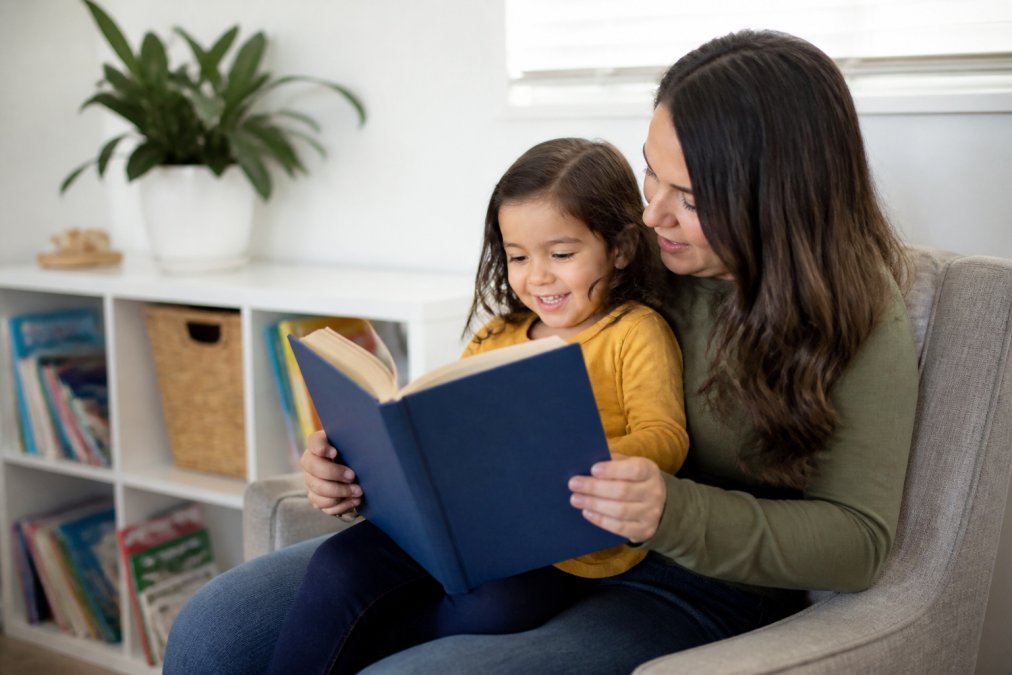
Start with shared reading. Sit down with your child for 15-20 minutes daily, reading aloud from age-appropriate books. Point to pictures. Ask questions. Let your child turn pages. This parent-child interaction is where language acquisition happens. Developmental screening tools measure vocabulary growth and literacy outcomes, and shared reading is the single most powerful intervention for both.
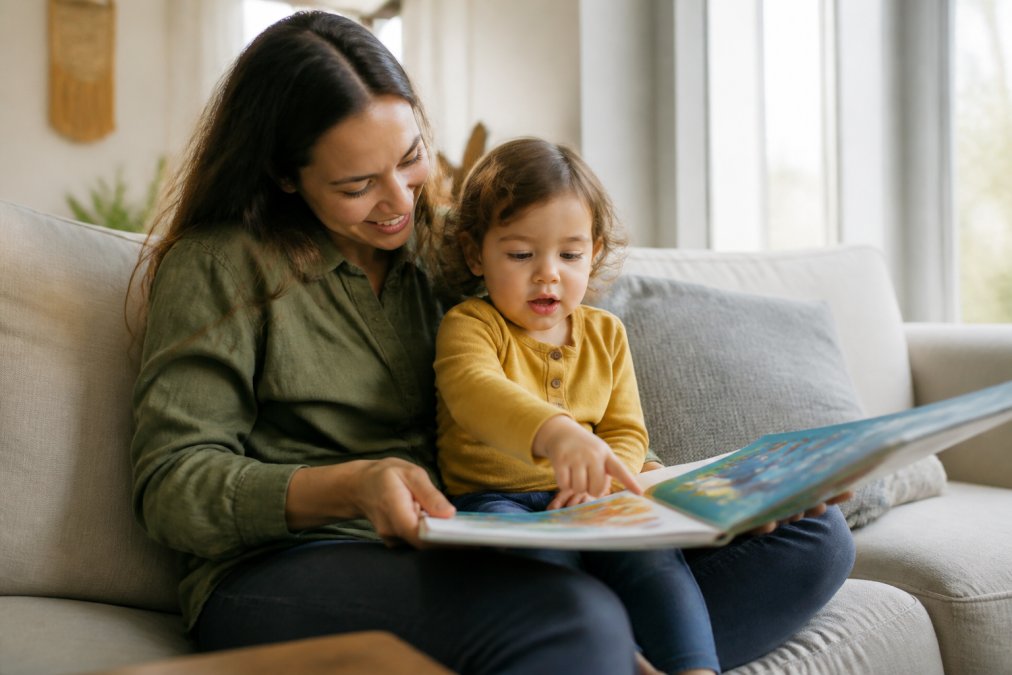
Build a routine. Read at the same time each day, after breakfast, before bed, during lunch. Routines signal to your child that reading is important and expected. They also make the habit stick when life gets chaotic, which matters for military families or anyone with unpredictable schedules.
Choose books strategically. You don't need expensive board books from big publishers. Public libraries offer free access to thousands of titles. Visit weekly, let your child pick books that interest them, and rotate through different stories. This approach costs nothing and exposes children to variety.
Talk about what you're reading. "See the dog? What sound does a dog make?" Simple conversations during reading sessions strengthen cognitive development and early childhood education outcomes without requiring formal instruction.
Building a Home Library on a Budget
A reach out and read alternative doesn't require spending money on books. Here's how to build a home library without straining your budget.
Start with the library. Your public library is free. Most systems allow you to check out 20-50 books at a time. Visit every week or two, let your child help select titles, and cycle through them. This gives your child exposure to hundreds of books over time without purchase costs.
Buy used. Thrift stores, garage sales, and online marketplaces sell children's books for 25-50 cents each. Quality board books and picture books are durable and hold up well through multiple children. Building a library of 30-50 used books costs less than a single new book purchase.
Join community book exchange programs. Many neighborhoods, schools, and online groups operate free book swaps where parents trade children's books. Facebook groups, Little Free Libraries in your community, and neighborhood apps connect families who want to share resources. This is especially valuable for military families who move frequently and want to avoid shipping costs.
Accept hand-me-downs. Friends, family, and daycare centers often have books their children have outgrown. Don't hesitate to ask. Most people are happy to pass books along rather than donate them.
Focus on quality over quantity. You don't need 200 books. Research on early childhood literacy shows that 20-30 well-loved books that you read repeatedly are more effective than a large collection you rarely touch. Your child will memorize favorites, which builds confidence and literacy skills.
| Strategy | Cost | Time Investment | Best For |
|---|---|---|---|
| Public library | Free | Weekly visits | Variety and rotation |
| Used book purchases | $0.25-$1 per book | Occasional shopping | Building a permanent collection |
| Book exchanges | Free | Monthly swaps | Frequent movers, budget-conscious families |
| Hand-me-downs | Free | One-time collection | Families with connected networks |
Reading Milestones for Children: What to Expect and Support
Understanding early childhood development milestones helps you recognize progress and know when your child is on track. This knowledge also helps you choose books and activities matched to your child's actual stage, rather than guessing.
Birth to 12 months: Babies respond to sound and rhythm.
Digital Tools and Community-Based Book Exchange Programs
Technology offers reach out and read alternatives that work well for families who prefer digital access or need flexibility.
Choosing the Right Approach for Your Family's Literacy Journey
Lauren's Literacy Lounge offers Literacy Roots: Nurturing Your Child's Reading Journey from Birth to Brilliance, designed to help parents as their child's primary educators. Rather than replacing these alternatives, Literacy Roots complements them by providing guidance on early childhood literacy strategies, developmental milestones, and parent-child reading practices that work across any program or approach you choose. Whether you use Imagination Library, community exchanges, or home-based reading, having a structured framework for understanding how to support your child's language acquisition and cognitive development strengthens everything you're already doing.
Frequently Asked Questions
What is Reach Out and Read and why would someone need an alternative?
Reach Out and Read is a pediatric primary care program that distributes books and literacy guidance during well-child visits. Parents seek alternatives because the program is clinic-based, requires access to a participating pediatrician, and may not serve all geographic areas or age groups equally. Alternatives allow families to build early literacy support independently, on their own schedule, and through community or digital resources that don't depend on medical office visits.
How can I encourage reading at home if I don't have a structured literacy program?
Consistent shared reading, reading aloud daily, even for 10-15 minutes, builds language acquisition and parent-child interaction naturally. Start with board books for infants, ask questions about pictures, and let children turn pages. Establish a bedtime reading routine, visit your local library for free age-appropriate books, and follow your child's interests. These evidence-based practices require no program enrollment and fit into any family's routine.
Are there free reach out and read alternatives available right now?
Yes. Dolly Parton's Imagination Library mails free books monthly to children under five in participating areas. Bookstart provides age-specific book packs through community-based distribution. Local libraries offer storytimes, book lending, and literacy programs at no cost. These programs support early childhood literacy and school readiness without clinic involvement or program fees.
What reading milestones should I expect from my child, and how do I support them?
Infants (0-12 months) respond to rhythmic language and enjoy board books; hold books together for bonding. Toddlers (12-24 months) recognize familiar objects in pictures and enjoy repetitive stories; point to images and name them together. Two-year-olds follow simple stories and may pretend to read; offer choices between books. Three-year-olds ask questions and recognize letters; read the same book repeatedly. Supporting these milestones means meeting your child where they are developmentally, without pressure.
Can I build a quality home library without spending a lot of money?
Absolutely. Library card holders access unlimited free books, audiobooks, and digital resources. Community book exchanges, free Little Free Libraries, and Buy Nothing groups offer books at no cost. Thrift stores and used book sales offer quality books for $0.25-$1.00 each. Focus on age-appropriate, high-quality titles rather than quantity. Many parents find that 20-30 diverse, well-loved books support rich literacy development better than a large collection of unread books.