 Listicle
Best Reading Programs for Toddlers (2026)
Table of Contents
- Early Literacy Milestones: What to Expect Before Age 5
- How to Teach a Toddler to Read: The Science Behind It
- Phonics Activities for Toddlers That Build Real Skills
- Best Reading Programs for Toddlers: Reviewed and Compared
- Hooked on Phonics: Best Blended (App + Physical) Program
- ABCmouse: Best for Broad Curriculum Coverage
- HOMER Learn & Grow: Best for Personalized Learning Paths
- Reading Eggs: Best Gamified Structured Curriculum
- Starfall: Best Budget-Friendly Option
- LeapFrog LeapStart and Osmo: Best Screen-Light, Hands-On Tools
- How to Choose the Right Reading Program for Your Toddler
- Why Parent-Led Instruction Matters More Than Any Program
- The Best Reading Programs for Toddlers: Quick Comparison
- Frequently Asked Questions
Last Updated: August 27, 2026
Choosing the right reading programs for toddlers is harder than it looks. The market is flooded with apps, workbooks, and subscription boxes, all promising to turn your two-year-old into a confident reader. At Lauren's Literacy Lounge, we've evaluated what the science of early literacy actually supports versus clever marketing. This guide cuts through the noise and gives you a clear, honest look at the best reading programs for toddlers available in 2026, along with the pedagogical principles that make them work.
Quick Picks:
- Best Overall (Parent-Led): Lauren's Literacy Lounge Literacy Roots, evidence-based, screen-free, built for parents with no teaching background
- Best Blended (App + Physical): Hooked on Phonics, short lessons, physical practice packs, multisensory approach
- Best for Broad Curriculum: ABCmouse, 13,000+ activities across reading, math, science, and art
- Best Budget Option: Starfall, free tier available, strong phonics foundation
- Best Hands-On, Screen-Light: LeapFrog LeapStart and Osmo, tactile learning with minimal passive screen time
Early Literacy Milestones: What to Expect Before Age 5
Reading readiness is a developmental progression that begins at birth. Print awareness, phonological processing, and vocabulary acquisition all develop in overlapping stages before a child ever sounds out a word. Understanding these milestones helps parents choose programs that match where their child actually is.
Print Awareness and Phonological Processing
Print awareness is the understanding that printed text carries meaning, that books are read left to right, and that words correspond to spoken language. Most children develop basic print awareness between 18 months and 3 years through repeated shared reading.
Phonological processing is the ability to hear and manipulate the sound structure of language, recognizing rhymes, clapping syllables, and isolating phonemes. According to the National Institute for Literacy's early reading research, phonological processing is one of the strongest early predictors of later reading success. Children who struggle with it need explicit, systematic instruction rather than incidental exposure.
Reading Readiness Signs in Toddlers
Most toddlers show genuine reading readiness between ages 3 and 5. Watch for these signals: pretending to "read" books from memory, pointing to words while being read to, recognizing letters in their name, showing interest in rhymes and word play, and asking "What does that say?" A child not showing these signs at 18 months is not behind. Early literacy milestones are ranges, not deadlines.
How to Teach a Toddler to Read: The Science Behind It
The most important thing parents get wrong about teaching toddlers to read is treating it as memorization. The science of reading is clear: systematic, explicit instruction in phonics produces better long-term reading outcomes than whole-language or memorization-heavy approaches.
Synthetic Phonics vs. Analytic Phonics
Synthetic phonics teaches children to decode words by converting individual graphemes (written letters) into phonemes (sounds) and blending them together. A child sees "c-a-t," converts each letter to its sound, and blends them into the word. This approach is backed by the strongest body of instructional design research.
Analytic phonics works in the opposite direction: children learn whole words first, then analyze letter-sound patterns within them. For most children, synthetic phonics produces faster, more reliable early literacy outcomes. For children with dyslexia or language-processing differences, the explicit, structured nature of synthetic phonics is especially important. The National Reading Panel's findings on phonics instruction consistently favor systematic phonics instruction.
The Role of Decodable Books and Sight Words
Decodable books are texts written to use only the phonics patterns a child has already learned. They are where phonics knowledge becomes fluent reading. Sight words, high-frequency words like "the," "said," and "was" that don't follow standard phonics rules, should supplement a phonics-first curriculum, not replace it.
Phonics Activities for Toddlers That Build Real Skills
The highest-impact phonics activities for toddlers are often the simplest ones. The goal is to build phonemic awareness through play, repetition, and multisensory engagement.
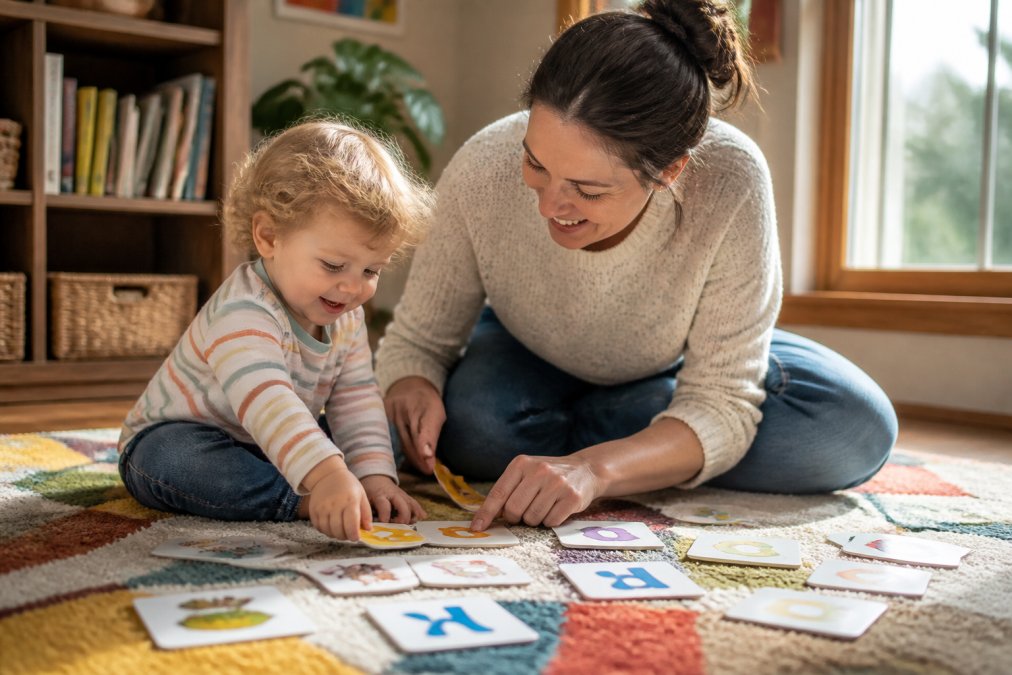
Effective activities include sound sorting (gathering objects and sorting by beginning sound), rhyme baskets (matching pairs of rhyming objects), letter-sound sand tracing (writing a letter in sand while saying its sound), blending games (saying words in segmented sounds and asking your child to blend them), and shared reading with finger-pointing (running your finger under words as you read aloud).
The most effective parent-led instruction combines these activities with consistent shared reading, at least one read-aloud session per day builds vocabulary, comprehension, and a love of books.
Best Reading Programs for Toddlers: Reviewed and Compared
The programs below were evaluated against alignment with science-of-reading principles, suitability for ages 2-5, screen time requirements, and usability for non-teacher parents.
Hooked on Phonics: Best Blended (App + Physical) Program
Hooked on Phonics is the strongest blended option for parents wanting both digital engagement and physical materials. The program uses a multisensory approach: children work through the app with games and videos, then reinforce learning with monthly workbooks and storybooks. Lessons run 15-20 minutes and work offline. One subscription covers up to three learner profiles and includes Hooked on Math and Hooked on Spelling at no extra cost. Starting price is $1 for the first month, then $14.99/month, plus up to $4.99 for shipping in the US.
What works: The physical practice packs provide tactile reinforcement many young learners need.
What doesn't: This program still requires consistent app use, and monthly shipping fees add up for some families.
ABCmouse: Best for Broad Curriculum Coverage
ABCmouse is an early learning academy with over 13,000 lessons, games, books, puzzles, and songs spanning reading, math, science, and art for ages 2-8. Personalized learning paths adapt to each child's progress, and the parent dashboard tracks engagement. It's 100% ad-free and kid-safe. Pricing runs $14.99/month or $45/year at promotional rates.
What works: The breadth of content keeps children engaged, and the reading component covers letter recognition, phonemic awareness, and guided reading in a structured sequence.
What doesn't: ABCmouse is primarily screen-based, and some parents report confusion around trial periods and unexpected charges.
HOMER Learn & Grow: Best for Personalized Learning Paths
HOMER builds learning paths based on your child's age and interests, which keeps engagement high. It covers reading, math, critical thinking, and social-emotional learning. Offline activities and printables reduce screen dependency. It's KidSAFE and COPPA certified. Pricing starts at $9.99/month or $59.99/year.
What works: Interest-driven personalization boosts motivation and vocabulary simultaneously.
What doesn't: The volume of content can feel overwhelming, and physical "Explore Kits" come at additional cost.
Reading Eggs: Best Gamified Structured Curriculum
Reading Eggs uses a structured, curriculum-driven approach. A diagnostic test places each child at the right entry point, and the program progresses systematically through phonemic awareness, phonics, fluency, and comprehension. The reward system is highly motivating for children 3-7. The platform covers ages 2-13 across multiple sub-programs. Pricing starts at $13.99/month or $99.99/year.
What works: The structured, sequential curriculum aligns well with synthetic phonics principles.
What doesn't: It's primarily screen-based, and the full homeschool package costs significantly more.
Starfall: Best Budget-Friendly Option
Starfall is the most accessible option. The free version includes phonics activities, letter identification games, nursery rhymes, and a talking library. The Home Membership at $35/year unlocks the full content library including math songs and additional reading activities.
What works: The free tier is genuinely useful, not a stripped-down teaser, and the phonics content is well-sequenced and age-appropriate for Pre-K through early elementary.
What doesn't: The free version has real limitations, and some activities require parental guidance for younger toddlers.
LeapFrog LeapStart and Osmo: Best Screen-Light, Hands-On Tools
For parents minimizing passive screen time, LeapFrog LeapStart and Osmo are the strongest options.
LeapFrog LeapStart uses a stylus and physical activity books. Children touch the page with the stylus to trigger audio, games, and challenges. It builds reading, math, and problem-solving skills while promoting proper writing grip. The starter system runs around $44.99-$54.97, with books sold separately.
Osmo's Little Genius Starter Kit combines physical pieces with an iPad to create hands-on games covering phonics, early math, and creativity. No Wi-Fi is needed once apps are downloaded. Price ranges from $59.00 to $89.99. Note: Osmo requires an iPad.
What both do well: They bridge physical and digital play in ways most app-only programs can't. The tactile, kinesthetic element is especially valuable for children who struggle with pure screen-based learning.
How to Choose the Right Reading Program for Your Toddler
The best reading program is the one you'll actually use consistently. Before choosing, ask yourself: How much screen time am I comfortable with per day? Do I have 15-20 minutes to sit with my child, or do I need something more independent? Does my child have specific learning needs or language background I should account for?
Neurodiversity, Bilingual Learners, and Special Considerations
Children with dyslexia, auditory processing differences, or language-based learning differences benefit most from programs with explicit, systematic phonics instruction. According to the International Dyslexia Association's structured literacy guidelines, multisensory approaches engaging visual, auditory, and kinesthetic channels produce the strongest outcomes for children with reading differences.
For bilingual families, children developing literacy in two languages simultaneously may take slightly longer to reach certain milestones in each language, this is not a deficit, it is a feature of bilingual cognitive development. Programs like Epic! offer multilingual content in English, Spanish, French, and Chinese. The key is maintaining rich oral language input in both languages at home.
Screen Time vs. Hands-On Learning: What the Evidence Says
Screen-based learning tools can be effective, but research consistently shows that adult interaction amplifies their impact. The American Academy of Pediatrics guidance on media use for young children recommends that children under 2 avoid screen-based media (except video chatting), and that children 2-5 have screen use limited to one hour per day of high-quality programming. Context and co-viewing matter enormously.
Hands-on tools like LeapFrog LeapStart and Osmo tend to produce more active engagement than passive app use, which aligns with what we know about cognitive development and learning through play.
Why Parent-Led Instruction Matters More Than Any Program
No app, curriculum, or subscription box replaces what a present, engaged parent does for a child's early literacy. The single strongest predictor of early reading success is the quantity and quality of language a child is exposed to at home.

This is the core philosophy behind Lauren's Literacy Lounge's Literacy Roots program. Parents don't need a teaching background to be their child's best first teacher. They need the right tools, framework, and confidence to use them. The most effective parent-led instruction happens during morning routines, shared reading before bed, play-based phonics activities, and conversations that build vocabulary and ask open-ended questions.
Managing Parental Burnout and Time Commitment
Parental burnout is real, and literacy programs can add to it when poorly designed. Programs that work long-term fit into your existing life, not ones requiring you to restructure your day. A common mistake is treating early literacy as a separate "subject" needing dedicated lesson time. For toddlers, 5-10 minutes of intentional, playful engagement is more effective than 30 minutes of structured instruction. Consistency beats intensity at this age.
If you're feeling overwhelmed, start with one thing: read aloud for 10 minutes every day. Everything else builds from there.
The Best Reading Programs for Toddlers: Quick Comparison
| Program | Best For | Screen Time | Starting Price |
|---|---|---|---|
| Lauren's Literacy Lounge Literacy Roots | Parent-led, screen-free instruction | None | Visit site for pricing |
| Hooked on Phonics | Blended app + physical learning | Moderate | $1 first month, then ~$15-18/mo |
| ABCmouse | Broad multi-subject curriculum | High | ~$15/mo or $45/yr |
| HOMER Learn & Grow | Personalized, interest-driven learning | Moderate | ~$10/mo or $60/yr |
| Reading Eggs | Gamified structured phonics curriculum | High | ~$14/mo or $100/yr |
| Starfall | Budget-friendly phonics basics | Moderate | Free / $35/yr |
| LeapFrog LeapStart | Hands-on, screen-light physical books | Low | ~$45-55 (one-time) |
| Osmo Little Genius | Tactile iPad-based play | Low-Moderate | ~$59-90 (one-time) |
The hardest part of finding the right reading programs for toddlers isn't the research, it's trusting that you, as a parent, are the most important variable in the equation.
=== FAQ ANSWERS (audit these too, same rules) ===
[1] Q: What is the most effective way to teach a toddler to read? A: Systematic, explicit instruction in phonemic awareness and letter-sound correspondence is the approach most supported by reading research. Start with oral rhyming games and blending activities before introducing written letters. Short, consistent sessions of 10-15 minutes daily outperform longer, infrequent ones. Pairing decodable books with read-alouds builds both decoding skills and vocabulary acquisition, which are the two pillars of early reading fluency and comprehension.
[2] Q: At what age should you start a formal reading program for toddlers? A: Most reading programs for toddlers begin around age 2-3, focusing on print awareness, phonological processing, and listening comprehension rather than formal decoding. True decoding instruction with graphemes and phonemes is typically introduced around age 4-5. That said, reading readiness varies by child. Watching for signs like interest in books, ability to rhyme, and recognizing their own name in print are better guides than age alone.
[3] Q: Are digital reading apps effective for toddler literacy? A: Digital apps can support early literacy milestones when they are structured around explicit phonics instruction and used alongside hands-on activities. Apps that use a multisensory approach, offer personalized learning paths, and limit passive consumption tend to produce better learning outcomes. Screen-only programs without parent involvement show weaker results. The most effective approach pairs any digital tool with parent-led instruction, physical books, and real conversation about what the child is reading.
[4] Q: What is the best phonics program for a 3-year-old? A: For a 3-year-old, the best phonics activities for toddlers focus on phonemic awareness before written letters: clapping syllables, identifying beginning sounds, and singing alphabet songs. Programs like Hooked on Phonics and Reading Eggs Junior introduce letter-sound correspondence through short, game-based lessons suited to young attention spans. Hands-on tools like LeapFrog LeapStart and Osmo are strong options for children who need tactile, screen-light learning at this age.
[5] Q: How can parents support reading readiness at home without a teaching background? A: You do not need a teaching background to build strong early literacy foundations. Daily read-alouds, pointing to words as you read, playing rhyming games, and talking about pictures in books all build cognitive development and vocabulary acquisition. A structured parent-led program that explains the pedagogy in plain language gives you a clear sequence to follow. Consistency matters far more than credentials, and even 10 focused minutes a day creates measurable progress over time.
Frequently Asked Questions
Q: What is the most effective way to teach a toddler to read?
A: Systematic, explicit instruction in phonemic awareness and letter-sound correspondence is the approach most supported by reading research. Start with oral rhyming games and blending activities before introducing written letters. Short, consistent sessions of 10-15 minutes daily outperform longer, infrequent ones. Pairing decodable books with read-alouds builds both decoding skills and vocabulary acquisition, which are the two pillars of early reading fluency and comprehension.
Q: At what age should you start a formal reading program for toddlers?
A: Most reading programs for toddlers begin around age 2-3, focusing on print awareness, phonological processing, and listening comprehension rather than formal decoding. True decoding instruction with graphemes and phonemes is typically introduced around age 4-5. That said, reading readiness varies by child. Watching for signs like interest in books, ability to rhyme, and recognizing their own name in print are better guides than age alone.
Q: Are digital reading apps effective for toddler literacy?
A: Digital apps can support early literacy milestones when they are structured around explicit phonics instruction and used alongside hands-on activities. Apps that use a multisensory approach, offer personalized learning paths, and limit passive consumption tend to produce better learning outcomes. Screen-only programs without parent involvement show weaker results. The most effective approach pairs any digital tool with parent-led instruction, physical books, and real conversation about what the child is reading.
Q: What is the best phonics program for a 3-year-old?
A: For a 3-year-old, the best phonics activities for toddlers focus on phonemic awareness before written letters: clapping syllables, identifying beginning sounds, and singing alphabet songs. Programs like Hooked on Phonics and Reading Eggs Junior introduce letter-sound correspondence through short, game-based lessons suited to young attention spans. Hands-on tools like LeapFrog LeapStart and Osmo are strong options for children who need tactile, screen-light learning at this age.
Q: How can parents support reading readiness at home without a teaching background?
A: You do not need a teaching background to build strong early literacy foundations. Daily read-alouds, pointing to words as you read, playing rhyming games, and talking about pictures in books all build cognitive development and vocabulary acquisition. A structured parent-led program that explains the pedagogy in plain language gives you a clear sequence to follow. Consistency matters far more than credentials, and even 10 focused minutes a day creates measurable progress over time.
Lauren's Literacy Lounge exists for exactly this reason. The Literacy Roots program gives parents without a teaching background a clear, evidence-based framework for building early literacy from birth through the toddler years, no jargon, no expensive subscriptions, no screen time required. If you're ready to become your child's most effective first teacher, visit the Lauren's Literacy Lounge website to learn more about Literacy Roots and get started today.
This article was written using GrandRanker