 Listicle
Best Reading Programs for Parents in 2026
Table of Contents
- Quick Comparison Table: Reading Programs at a Glance
- Understanding the Science of Reading for Parents
- Best Reading Programs for Parents: Top Choices Ranked
- Lauren's Literacy Lounge: Literacy Roots Program
- Reading Eggs: Gamified Digital Learning
- All About Reading: Structured Multisensory Curriculum
- Teach Your Child to Read in 100 Easy Lessons: Screen-Free Approach
- Reading Kingdom: Balanced Phonics and Writing
- Teach Your Monster to Read: Free Gamified Introduction
- Reading Horizons Discovery: Evidence-Based Structured Literacy
- How to Teach Reading at Home: A Parent-Friendly Framework
- Best Reading Apps for Kids: Digital vs. Print Formats
- How to Choose a Reading Program for Your Child
- Supporting Struggling Readers: Beyond the Program
- Conclusion
- Frequently Asked Questions
Last Updated: September 22, 2026
Quick Comparison Table: Reading Programs at a Glance
| Program | Format | Best For | Starting Price | Key Strength |
|---|---|---|---|---|
| Lauren's Literacy Lounge | Comprehensive guide + resources | Parents from birth through early reading | Varies | Birth-to-brilliance approach for parents as primary educators |
| Reading Eggs | Digital app | Ages 2-13, gamified learners | $9.99/month | High engagement through rewards and game mechanics |
| All About Reading | Physical curriculum | Homeschooling families | $129.95 per level | Multisensory, scripted lessons easy for non-teachers |
| Teach Your Child to Read in 100 Easy Lessons | Physical book | Budget-conscious, screen-free families | $30.00 | Affordable, structured, no technology required |
| Reading Kingdom | Web-based app | Children needing balanced phonics + writing | $19.99/month | Teaches reading, writing, and spelling simultaneously |
| Teach Your Monster to Read | Free app (web) | Introducing phonics playfully | Free | Completely free, highly engaging for early stages |
| Reading Horizons Discovery | Structured digital curriculum | Struggling readers, evidence-based approach | Contact for pricing | Orton-Gillingham methodology, data-driven progress monitoring |
Understanding the Science of Reading for Parents
The science of reading shows that reading isn't a natural skill like speaking, it requires explicit instruction in phonemic awareness, phonics, fluency, vocabulary, and comprehension strategies. At Lauren's Literacy Lounge, we help parents understand this research to support literacy development from birth onward.
Children need systematic instruction in how sounds connect to letters, how to blend those sounds into words, and how to understand what they've read. Reading programs for parents provide the structure and guidance that turns casual book time into intentional literacy building.
Early intervention matters: children who struggle with phonemic awareness in kindergarten often face reading difficulties throughout elementary school. When parents understand the science and apply it consistently, even struggling readers catch up.
Best Reading Programs for Parents: Top Choices Ranked
Lauren's Literacy Lounge: Literacy Roots Program
Lauren's Literacy Lounge offers Literacy Roots, a comprehensive guide helping parents become their child's first and best teacher from birth through early reading stages.
Literacy Roots equips parents with knowledge and tools to foster literacy naturally through daily interactions, offering practical implementation that fits real family life without stress or excessive screen time.
The program provides flexible strategies that adapt to military families, tight budgets, and various circumstances.
Reading Eggs: Gamified Digital Learning
Reading Eggs delivers a highly engaging online experience for ages 2-13 with interactive lessons, rewards, comprehensive phonics and sight word curriculum, e-books, and progress tracking.
Gamification keeps children motivated through rewards and level unlocking. Many children ask to use it independently because it feels like play, not learning.
The tradeoff is screen dependency and potential resistance to print materials. At $9.99/month, it's affordable for most families.
All About Reading: Structured Multisensory Curriculum
All About Reading uses the Orton-Gillingham approach with scripted lesson plans requiring no teaching experience, including physical materials, letter tiles, games, and decodable readers.
Each lesson follows a clear format: warm-up, new skill introduction, practice, and review. This removes decision fatigue and ensures consistency.
At $129.95 per level, materials are durable and reusable. The limitation is time demand: 20-30 minutes of focused instruction daily.
Teach Your Child to Read in 100 Easy Lessons: Screen-Free Approach
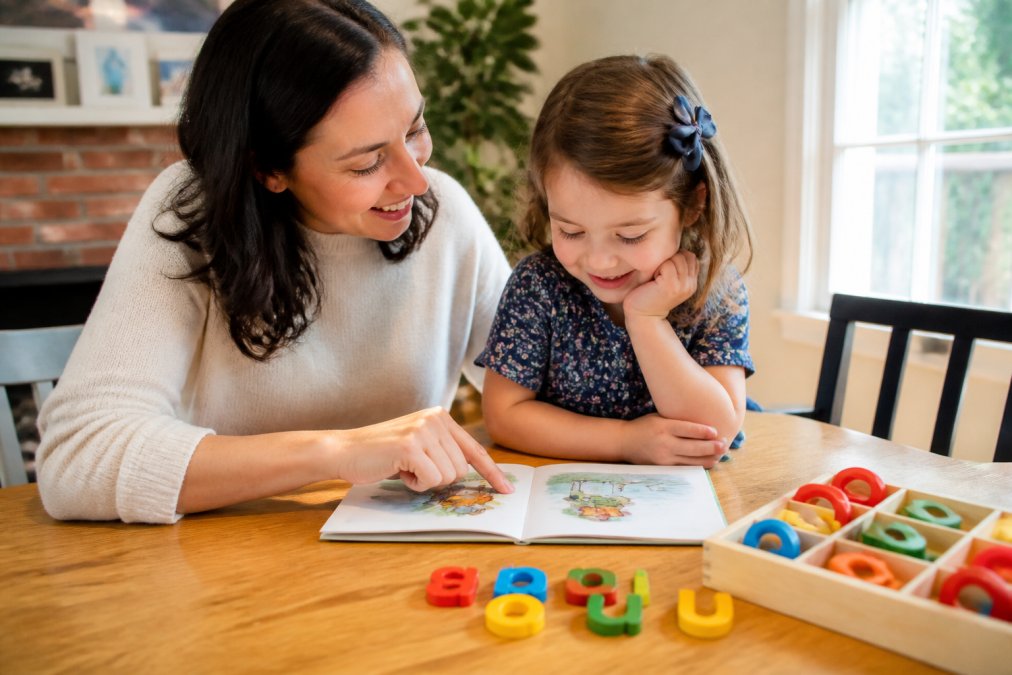
This book-based program delivers 100 scripted lessons (10-15 minutes each) progressing logically from individual sounds to blending to full sentences. At $30.00, it's the most affordable option.
It offers simplicity: no apps, subscriptions, or technology. The scripted format works for parents with no teaching background because it's consistent and systematic.
Some children find the repetition tedious. It works best for naturally motivated children or those responding well to clear structure.
Reading Kingdom: Balanced Phonics and Writing
Reading Kingdom teaches reading and writing simultaneously using a "Phonics-Integrated-Whole-Language" method with adaptive difficulty based on performance.
Its strength is balance: children learn letter-sound relationships while understanding meaning and context, with writing instruction reinforcing phonics through encoding.
At $19.99/month, adaptive technology meets each child where they are. The main drawback is the learning curve for parents and less intuitive interface than some competitors.
Teach Your Monster to Read: Free Gamified Introduction
This free web-based app introduces phonics through story-driven gameplay, covering letter-sound recognition and blending for earliest reading stages.
Completely free with engagement rivaling paid apps. Children learn phonemic awareness and early phonics through play on web, iOS, and Android.
Its limitation is scope: it covers only the first two years of reading development. It's an excellent starting point, not a complete solution.
Reading Horizons Discovery: Evidence-Based Structured Literacy
Reading Horizons Discovery applies the Orton-Gillingham approach with explicit, systematic phonics and multisensory techniques, including data-driven progress monitoring for classroom or home use.
How to Teach Reading at Home: A Parent-Friendly Framework
Teaching reading at home requires understanding the sequence of skills and practicing consistently. This framework breaks the process into manageable steps.
Build Phonemic Awareness First
Phonemic awareness, the ability to hear, identify, and manipulate individual sounds in words, is the foundation for everything else. Children must understand that words are made of sounds before learning letter names.
Use Explicit, Systematic Instruction
Explicit instruction means directly teaching the skill. Systematic means following a logical sequence, building each new skill on previously mastered ones.
Practice Blending and Segmenting
Blending combines individual sounds into a word; segmenting breaks a word into individual sounds. These core skills turn letter knowledge into actual reading.
Best Reading Apps for Kids: Digital vs. Print Formats
The digital versus print question has one answer: both, strategically used.
When to Choose Digital Learning
Digital programs excel at engagement, tracking, and accessibility. Apps provide immediate feedback and adjust difficulty in real time. For families with limited parental time, they reduce preparation burden.
When to Choose Print-Based Materials
Print materials engage different brain pathways, creating tactile and spatial memories that support retention. Parent-child interaction around physical books builds relationship and emotional connection alongside literacy skills.
How to Choose a Reading Program for Your Child
Select a program by matching your child's needs, family constraints, and teaching comfort level.
Assess Your Child's Learning Style
Some children thrive with gamification; others find constant rewards distracting. Some need structure; others resist rigid formats.
Evaluate Program Structure and Alignment
Look for programs addressing all five components of reading instruction: phonemic awareness, phonics, fluency, vocabulary, and comprehension.
Consider Your Family's Schedule and Budget
Be realistic about time commitment. Scripted programs require 20-30 minutes daily of parent time. Digital programs require 15-20 minutes of child time but less parent preparation. Screen-free approaches fit tight schedules but demand consistent parent-child interaction.
Supporting Struggling Readers: Beyond the Program
Sometimes children need more than a standard program provides. Additional support prevents frustration and maintains confidence.
Conclusion
The best reading programs share common elements: they're built on the science of reading, provide explicit instruction, and fit your family's circumstances. Consistency matters more than perfection.
Frequently Asked Questions
What makes a reading program based on the Science of Reading?
Science of Reading-based programs emphasize phonemic awareness, systematic phonics instruction, and explicit teaching of grapheme-phoneme correspondence. They focus on decodable books, multisensory approaches, and evidence-based practices that develop phonological processing and orthographic mapping. Programs like Reading Horizons Discovery and All About Reading follow these principles with structured, sequential lessons that build decoding skills systematically rather than relying on sight word memorization alone.
Is it better to use an online app or print-based curriculum for teaching reading at home?
Both approaches work, the best choice depends on your child's learning style and your family's needs. Digital apps like Reading Eggs offer high engagement and adaptive pacing, ideal for children who respond to gamification. Print-based programs like Teach Your Child to Read in 100 Easy Lessons require no screen time and work well for parents who prefer hands-on, tactile learning with physical materials. Many families combine both: using an app for motivation and a workbook for reinforcement.
How do I know if a reading program will actually work for my child?
Look for programs with explicit phonics instruction, systematic progression from sounds to blending to reading sentences, and evidence-based methodology. Programs aligned with the Science of Reading principles, like those using Orton-Gillingham approaches, show stronger outcomes for early literacy development. Start with a trial or free version if available (like Teach Your Monster to Read's free web version) to see if your child responds before committing to a paid program.
Can I use reading programs with very young children, like infants and toddlers?
Most structured reading programs are designed for ages 2 and up, though literacy foundations begin in infancy. Lauren's Literacy Lounge's Literacy Roots program supports parents from birth, focusing on early literacy exposure and phonemic awareness through read-alouds and language-rich activities before formal instruction begins. For infants under 2, focus on reading aloud daily, singing songs, and building vocabulary, formal phonics programs typically begin when children show interest in letters and sounds, usually around ages 3-5.