 Listicle
Best Books for Early Readers: A 2026 Guide
Table of Contents
- How to Choose the Right Reading Level for Your Early Reader
- Early Literacy Activities for Babies: Building the Foundation Before Books
- Decodable Books for Beginners: The Phonics-First Approach
- How to Teach a Child to Read: A Simple Framework for Parents
- Best Book Series for Early Readers by Grade Level
- Graphic Novels and Humor for Reluctant Readers
- Library vs. Purchase: A Practical Strategy for Building Your Collection
- Conclusion: Raising a Reader Starts with the Right Book
- Frequently Asked Questions
Last Updated: September 15, 2026
How to Choose the Right Reading Level for Your Early Reader
Finding the best books for early readers starts with one question: what can this child actually decode right now? Reading levels are not a race, they match a child to text they read with roughly 90-95% accuracy, challenging but not defeating (readingrockets.org).
The most common mistake parents make is buying books by age or grade instead of by skill. A four-year-old who knows letter sounds is ready for different books than a six-year-old still building word recognition.
The chart below maps the three main leveling approaches you will encounter:
| System | What It Measures | Best For | Watch Out For |
|---|---|---|---|
| Guided reading (A-Z) | Overall text difficulty | Classroom alignment | Letters vary by publisher |
| Lexile | Sentence length and vocabulary | Finding "just right" books | Ignores content maturity |
| Decodable | Phonics patterns taught | Beginning decoding | Limited story variety |
Use levels as a starting point, then let your child's actual reading tell you more than any label.
Leveled Reading Systems vs. Decodable Books: What's the Difference?
Leveled readers are sorted by overall text complexity; decodable books by which phonics patterns they contain. A leveled reader may include words a child has not been taught to sound out, relying on picture clues and repetition. A decodable book uses only patterns the child already knows.
For beginning readers, decodable text builds stronger decoding skills because it forces practice with the code itself. Leveled text builds comprehension and fluency once decoding is underway. Most strong home libraries include both.
Early Literacy Activities for Babies: Building the Foundation Before Books
Early literacy activities for babies look nothing like reading lessons. They look like talking, singing, and pointing. The foundation for reading is built through sound awareness long before a child recognizes a single letter.
A common approach among literacy specialists is to treat every interaction as a language opportunity:
- Talk through your day: narrate diaper changes, meals, and walks
- Sing songs with rhyme and repetition, which build phonological awareness
- Point to pictures and name objects during shared reading
- Let babies handle board books, even if they chew them
- Repeat the same few books so patterns become familiar
The "pre-reading" stage does more work than the reading stage: a baby who hears thousands of words and rhymes before age two arrives at decoding with a full toolkit.
Decodable Books for Beginners: The Phonics-First Approach
Decodable books for beginners follow a specific sequence of phonics patterns, starting with simple consonant-vowel-consonant words and adding complexity only as new patterns are taught. They are the most reliable tool for children learning to decode.
BOB Books is the most recognized name here, with sets from around $16.99 that progress step by step through phonics skills. The small size suits little hands, and finishing a whole book builds confidence. The tradeoff is limited narrative complexity in the earliest sets, which is intentional.
For children who need extra motivation, themed phonics readers that use familiar characters can reduce reading anxiety. The structure matters more than the theme: short sessions, daily practice, and patterns that repeat.
How to Teach a Child to Read: A Simple Framework for Parents
Teaching a child to read does not require a teaching degree. It requires consistency, a simple sequence, and the willingness to stop when frustration rises. Here is a five-step framework any parent can run at home.
- Build sound awareness first. Play with rhymes, clap syllables, and isolate beginning sounds in spoken words.
- Teach letter sounds, not just letter names. Knowing that "m" says /m/ matters more for decoding than reciting the alphabet.
- Start with decodable text. Give your child books where they can sound out nearly every word.
- Read together daily, even for five minutes. Shared reading builds fluency and vocabulary at the same time.
- Follow your child's pace, not a calendar. Some children click at four, others at seven. Both are normal.
Your job is not to test your child but to sit beside them, let them struggle for a moment, and supply the word only when they are truly stuck.
Best Book Series for Early Readers by Grade Level
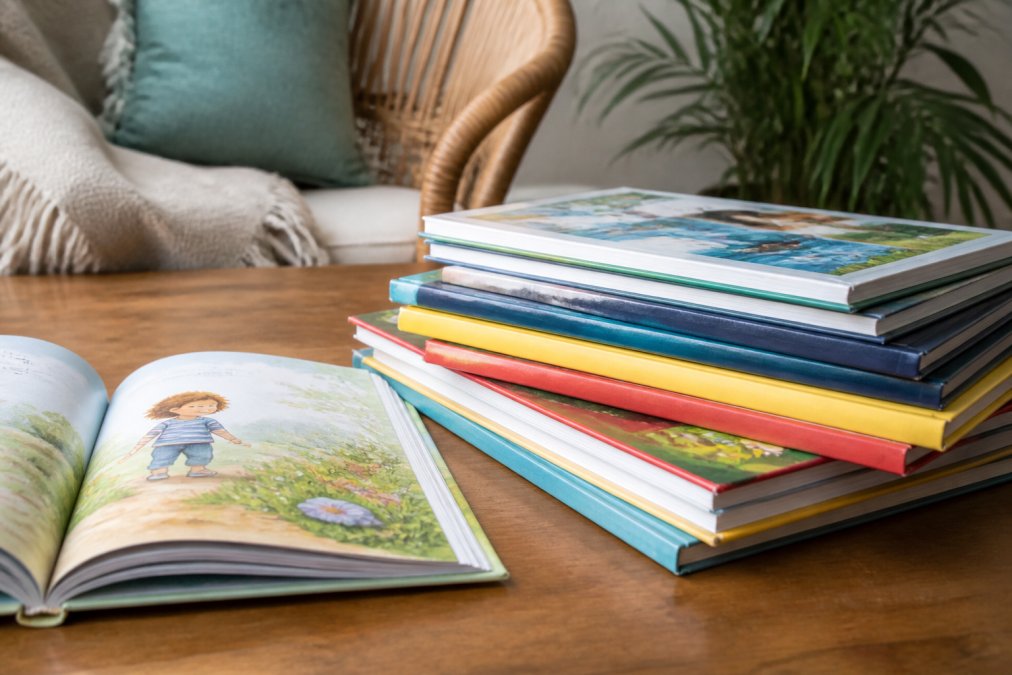
The best books for early readers by grade level combine three things: text a child can decode, stories that hold attention, and a series format that keeps them coming back. Grade level is a rough guide, use it to narrow the shelf, then let your child's reading decide.
Every series below can be sorted by phonics progression (decodable) or by sight-word and repetition load (leveled). A child still learning letter sounds does best with decodable series; a child who has cracked the code but needs fluency reps does best with leveled series. Mixing both in the same week is fine; replacing one with the other is where parents get stuck.
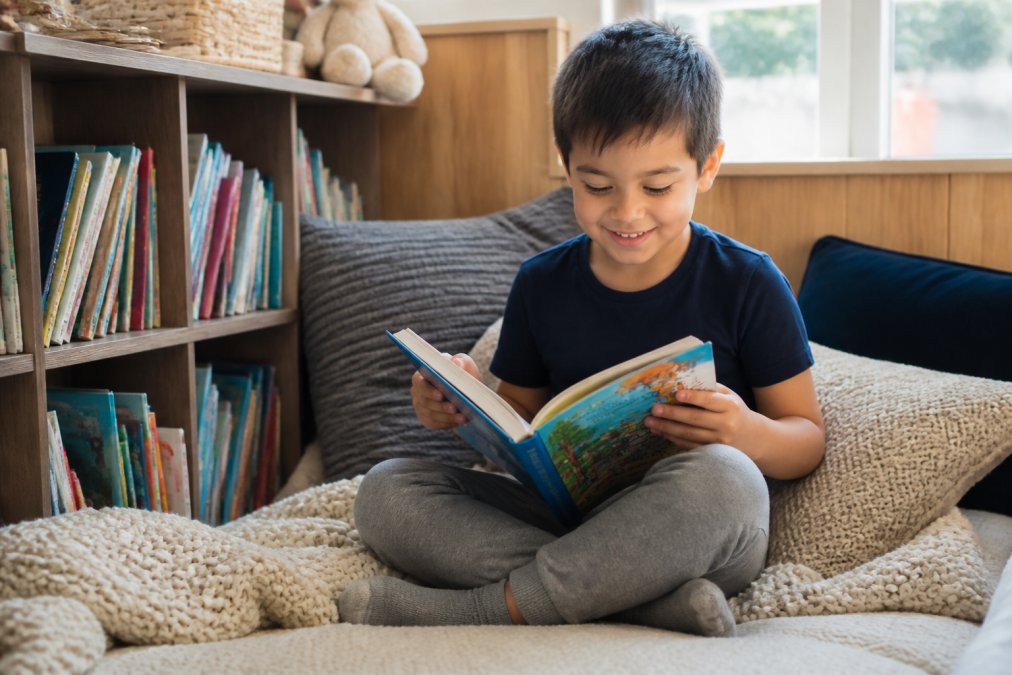
Pre-K to Kindergarten: First Steps into Reading
At this stage, the goal is not story, it is sound. Look for very short sentences, large type, strong picture clues, and a phonics sequence that introduces one pattern at a time.
- BOB Books (Set 1: Beginning Readers), from around $16.99. The gold standard for first decoding.
1st Grade: Building Fluency and Confidence
2nd Grade: Transitioning to Early Chapter Books
| Grade | Good Starting Point | Series to Try | Typical Price |
|---|---|---|---|
| Pre-K-K | Decodable sets | BOB Books, Bob Books Sight Words | $16.99 |
| Pre-K-K | Read-aloud / shared | Little Bear, Elephant & Piggie | $4.99-$9.99 |
| 1st Grade | Leveled readers | I Can Read!, Scholastic Acorn, Step into Reading | $4.99-$5.99 |
| 1st Grade | High-interest leveled | Fly Guy | $3.99 |
| 2nd Grade | Early chapter books | Henry and Mudge, Nate the Great | $5.99 |
| 2nd Grade | Graphic / hybrid | Pizza and Taco, Mercy Watson | $6.99 |
Graphic Novels and Humor for Reluctant Readers
What to Look For
Series Worth Trying
Library vs. Purchase: A Practical Strategy for Building Your Collection
A practical split that works for most families:
Conclusion: Raising a Reader Starts with the Right Book
Frequently Asked Questions
What books are good for first-time readers?
First-time readers do best with books that feature simple, repetitive text, strong picture clues, and short sentences. Phonics-based sets like BOB Books help children decode words step by step, while series like Little Bear offer gentle stories with accessible vocabulary. Look for books with large type, plenty of white space, and illustrations that directly support the text so your child can use picture clues when stuck.
How do I choose the right reading level for my child?
Start by having your child read a page aloud. If they struggle with more than five words, the book is too hard. If they read smoothly and understand the story, it is a good fit. Leveled reading systems like Scholastic Acorn and I Can Read! organize books by difficulty, but also pay attention to your child's reading interest. A slightly harder book about a favorite topic often works better than an easy book they find boring.
What are the benefits of decodable books for early readers?
Decodable books for beginners focus on phonics patterns, starting with simple consonant-vowel-consonant words and building up. This approach helps children apply the decoding skills they are learning instead of guessing from pictures. Research shows that systematic phonics instruction builds stronger word recognition and fluency. Sets like BOB Books and 5-Minute Phonics (Pokémon) use this method while keeping practice sessions short and successful.
What books should a 4-year-old be reading?
Most 4-year-olds are emergent readers, meaning they are not reading independently yet but are building pre-reading skills. Shared reading with picture books and simple early readers works best. Titles from the I Can Read! My First level, Little Bear, and Lakeshore Learning Early Readers use simple sentences and visual cues. Pair reading with early literacy activities for babies and toddlers, like pointing to words and asking questions, to strengthen vocabulary and comprehension.
How can I help a reluctant reader build confidence?
Reluctant readers often respond to high-interest topics and visual formats. Graphic novels like the Pizza and Taco series use dialogue-heavy text and humor to reduce reading anxiety. Let your child choose their own books, even if they seem too easy. Short, successful reading sessions build reading confidence faster than long, frustrating ones. Pair books with interactive reading techniques like acting out scenes or predicting what happens next.