 Comparison
Are Early Literacy Subscription Boxes Worth It?
Table of Contents
- Why Parents Are Asking: Are Early Literacy Subscription Boxes Worth It?
- How We Evaluated These Boxes
- Best Subscription Boxes for Preschoolers
- Children's Book Subscription Boxes and the Learning Benefits
- Subscription Boxes vs. Buying Children's Books
- Early Literacy Activities for Toddlers: What to Look For
- The Verdict: When These Boxes Are Worth It
- Frequently Asked Questions
Last Updated: October 8, 2026
Why Parents Are Asking: Are Early Literacy Subscription Boxes Worth It?
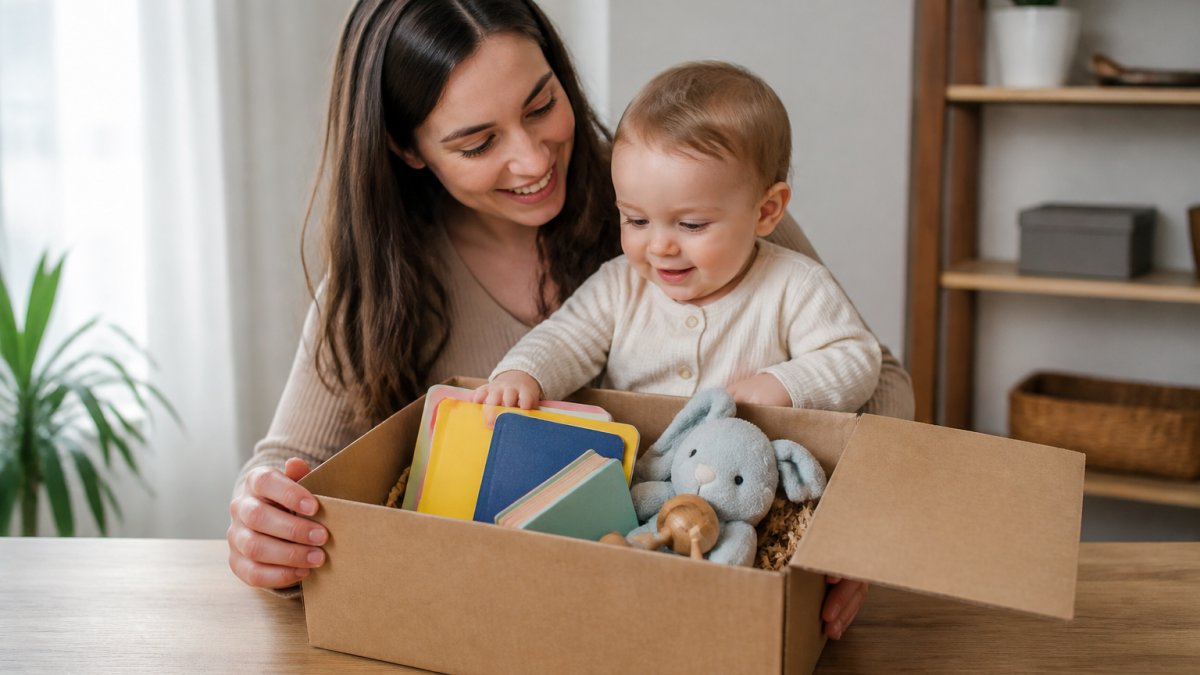
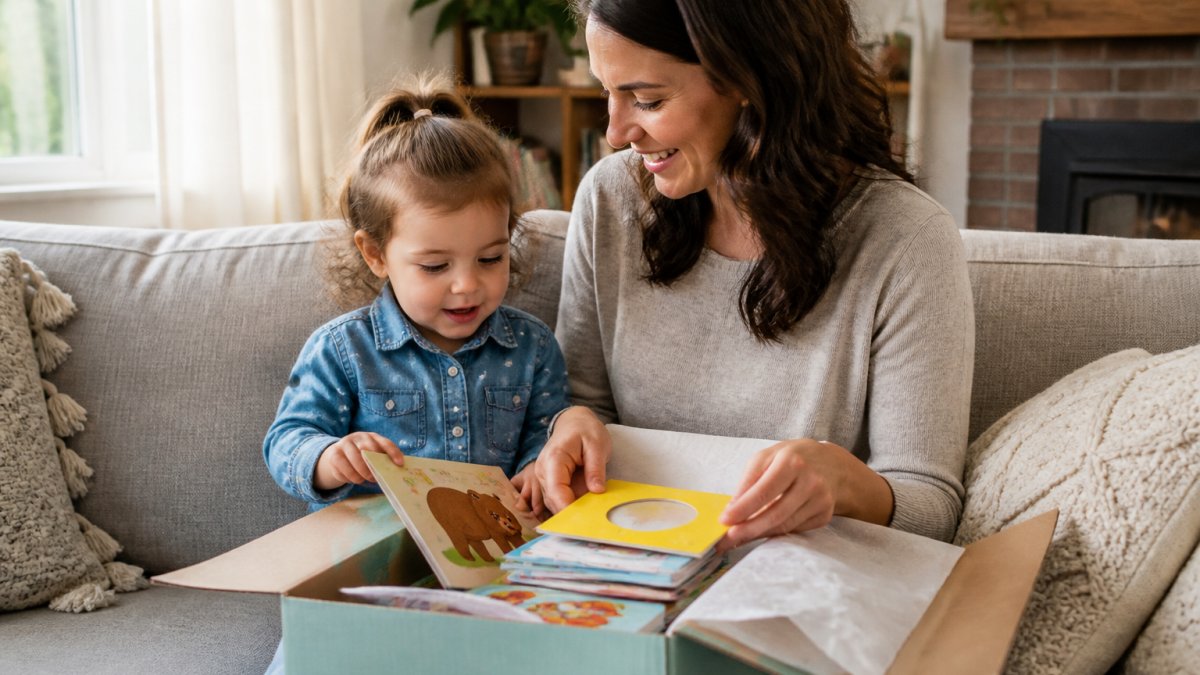
A children's book subscription box is a recurring delivery of age-matched books, and sometimes activity kits, sent to your home each month. Parents ask whether early literacy subscription boxes are worth it because the monthly bill adds up fast, and the results are hard to measure.
The honest answer sits in the middle. A box is worth it when it removes friction from your reading routine, and not worth it when it becomes shelf clutter you feel guilty about. Below, we break down how we evaluated the major options, what the learning research supports, and when a literacy subscription earns its place in your budget.
How We Evaluated These Boxes
We scored each option on five criteria: age fit, reading-level matching, what arrives beyond books, total monthly cost, and how easy it is to pause or cancel. Age fit matters most for toddlers, who change rapidly between 18 months and 3 years. Reading-level matching matters more for preschoolers moving toward letter recognition and phonics.
Cost deserves its own lens. The sticker price tells you little; cost per book and cost per use tell you more. A box that ships four books for a higher monthly fee can beat a cheaper box if your child actually reads all four.
- Age fit: Does the box match your child's current developmental stage, not the age they will be in six months?
- Reading-level matching: Are books chosen for your specific child, or is every subscriber in an age band sent the same titles?
- Beyond books: Does anything arrive that turns reading into a hands-on activity?
- Total cost: Monthly fee plus shipping, divided by books received.
- Flexibility: Can you skip a month, pause, or cancel without a phone call?
Best Subscription Boxes for Preschoolers
The best subscription box for your preschooler depends on whether you want books only or books plus activities, and how much personalization you need. Here is how the leading options compare.
| Box | Starting Price | What Arrives | Best For |
|---|---|---|---|
| Lauren's Literacy Lounge | Varies by program | Parent coaching plus literacy guidance | Parents who want to lead the teaching |
| Literati Stargazer Level Box | $10/month | Children's books | Budget-conscious families |
| I Can Read! Book Club | Not stated | Five books per month | Reading-level-matched books |
| Little Passports | $25 and up | Activity-based boxes | Families wanting hands-on kits |
| Lovevery | Not stated | Play-based kits by stage | Play-first households |
Lauren's Literacy Lounge
Our program, Literacy Roots, helps you become your child's primary literacy teacher, with guidance from birth through early reading. Instead of shipping books and hoping a routine forms, we focus on the parent side: what to say, what to point at, and how to build shared reading into a full day.
It is a strong fit for parents who want structure and coaching rather than a stack of titles, and a weaker fit if you only want books delivered. Pricing depends on the program you choose, so check our current options before you commit.
Literati Stargazer Level Box
Literati's Stargazer Level Box earned a spot as an affordable children's book subscription in The Bump's guide to baby book subscriptions, which weighed price, book count, and story quality. At around $10 per month, it is one of the lower-cost ways to keep new picture books arriving.
The tradeoff is personalization: available details do not show how finely it matches books to a child's reading level, so if your preschooler is ahead or behind the typical band, ask before subscribing.
I Can Read! Book Club
This club ships five books a month chosen for your child's reading level, according to Forbes' roundup of the best subscription boxes for kids. Five books monthly is a generous volume, and reading-level selection directly supports the phonics and letter recognition work preschoolers need.
Pricing is not published in the sources we reviewed, so confirm the current rate and age range directly.
Little Passports and Lovevery
Little Passports appeared in a preschool subscription roundup at $25 and up, according to The Gardner School's comparison of subscription boxes for preschoolers. It leans toward hands-on activity kits rather than a pure book subscription, which suits families who want educational activities beyond reading.
Lovevery came up in a parent discussion about boxes for 3- to 5-year-olds, per a Reddit thread on favorite subscription boxes for preschoolers. It is known for play-based kits tied to developmental stages. Neither source confirms current early literacy features or pricing, so verify both before buying.
Children's Book Subscription Boxes and the Learning Benefits
The learning benefit of a children's book subscription box comes from the routine it supports, not the box itself.
What the evidence actually supports. Decades of early literacy research point to a consistent set of practices that build later reading skills:
- Shared reading, reading aloud together, with the child actively engaged, is one of the strongest predictors of early language growth.
- Phonemic awareness, hearing and playing with the sounds in words (rhymes, alliteration, syllable clapping) supports decoding later.
- Letter knowledge, recognizing letter names and sounds is a well-established precursor to reading.
- Print awareness, knowing that text carries meaning, that pages turn left to right, and that words are made of letters.
- Vocabulary through conversation, back-and-forth talk about pictures and story events builds word knowledge faster than passive listening.
None of these require a subscription; all require repetition and an engaged adult. A box is a delivery mechanism for the habit, nothing more, nothing less.
What marketing claims to ignore. Be skeptical of any box that promises to "teach your child to read" or guarantees grade-level gains; no subscription replaces daily interaction with a caregiver.
How to judge a box's real literacy value. Ask what the child does with the materials:
- Does it prompt conversation, or just listening?
- Does it include rhymes, songs, or sound play?
- Does it invite the child to point at print, name letters, or predict what comes next?
- Does it give the parent something specific to say or do?
- Does it work without a screen?
A picture book that asks your toddler to find the red bird does more literacy work than a book you simply read aloud.
Frequency beats volume. Children who reread the same handful of books build deep familiarity and stronger comprehension; children who see a steady stream of new titles build broader vocabulary.
A fair way to measure value. Track one thing for a month: how many nights you read together. If the box increased that number, it earned its cost. If not, the box is not the problem, the routine is, and no subscription will fix that.
Subscription Boxes vs. Buying Children's Books
Most guides wave at cost without doing the math. The honest comparison is cost per book your child actually reads, not cost per box.
Step 1: Get the true monthly cost. Add the subscription price to any shipping and tax.
Step 2: Count the books. Divide the true monthly cost by the number of books that arrive.
Step 3: Apply a read-rate. This is the step almost everyone skips.
Here is the same tradeoff in plain terms, with typical ranges rather than invented precision:
| Factor | Subscription Box | Buying Books Individually | Public Library |
|---|---|---|---|
| Cost per book | Roughly $5-$15 after shipping | Roughly $4-$18 new; less used | $0 |
| Annual outlay | Often $120-$400 | Fully variable | $0 plus late fees |
| Convenience | High, arrives automatically | Medium, you research and order | Low, trips, holds, returns |
| Title variety | Curated, limited per month | Unlimited | Broad, but availability varies |
| Ownership | You keep them | You keep them | Return required |
| Routine support | Built in | Manual | Manual |
| Commitment | Monthly, seasonal, or annual terms | None | None |
The library is the real benchmark. A library card costs nothing, and most systems offer story times, summer reading programs, and early literacy kits free.
Before you subscribe, check the fine print. Commitment length, auto-renewal, pause options, and cancellation terms change the real cost more than the sticker price.
Early Literacy Activities for Toddlers: What to Look For
The best early literacy activities for toddlers are short, repetitive, and child-led. Look for boxes or programs that encourage pointing at pictures, naming objects, singing, and letting your toddler hold and turn pages, even if that means a few torn corners.
When you evaluate a box, ask what the child does with it beyond listening. A picture book that prompts your toddler to find the red bird does more work than one you simply read aloud.
- Does it encourage back-and-forth conversation, not just listening?
- Does it include songs, rhymes, or repetition?
- Can your toddler physically handle the materials?
- Does it work without a screen?
- Does it give you, the parent, something to say or do?
The Verdict: When These Boxes Are Worth It
A literacy subscription is worth it when it solves a specific problem you actually have. If your struggle is remembering to order books, a box fixes that. If it is not knowing what to do during reading time, a coaching-based program fixes that. If it is budget, the library fixes that for free.
Skip the subscription if you already read daily, have a library routine, and do not need new titles arriving. You are not missing anything.
For families who want structure and a clear sense of how to teach reading at home, the Literacy Roots program is designed for exactly that: helping you become your child's first and best teacher, from birth onward, wherever you live. Explore the program and see whether it fits your family's routine.
Frequently Asked Questions
Are early literacy subscription boxes worth the monthly cost?
It depends on how many books you would otherwise buy. If a box costs $25 per month and includes five books, that is roughly $5 per book, which is competitive with retail picture book prices. The value increases if the box includes parent guides or activities you would not find elsewhere. Calculate your cost per book and compare it to what you would spend buying individually.
Do book subscription boxes help toddlers develop early reading skills?
They can support early literacy when a parent reads with the child regularly. Research on shared reading shows that consistent parent-child interaction around books builds vocabulary, letter recognition, and print awareness. The box itself does not teach reading. It provides fresh materials and a routine that makes daily reading easier to sustain.
What should parents look for in a preschool literacy subscription box?
Check the age range and reading stage match, the number of books or activities per delivery, and whether the materials include phonics or letter recognition support. Look at the cancellation policy and whether you can pause during relocations or tight months. Read parent reviews about child engagement and repeat use, not just unboxing photos.
Can I get the same benefits from free resources instead of a subscription?
Public libraries offer free books, storytimes, and early literacy programs. Free online resources provide activity ideas. A subscription adds convenience and a steady stream of new, age-appropriate materials without planning. If you have time to visit the library weekly and select books yourself, you can replicate much of the benefit at no cost.
How do I know if a subscription box is working for my family?
Track whether your child asks for the books, whether you are reading together more often, and whether the activities get repeat use. If the box sits unopened after two months, it is not working. Most subscriptions allow cancellation or pausing, so treat the first two deliveries as a trial and reassess based on your child's engagement.
The hardest part of early literacy is not finding materials. It is building a routine that survives busy weeks, moves, and changing schedules. Lauren's Literacy Lounge exists to make that easier, with parent-focused guidance, a birth-to-reading progression, and strategies designed for real households rather than perfect ones. Get started with Lauren's Literacy Lounge and turn ten minutes a day into a reading habit your child keeps for life.